Swiss Residence Permit B, C, L - Complete Guide 2026
B, C, L, G permits explained simply. Conditions, deadlines, rights. Discover which permit is right for your situation and how to obtain it quickly.
Swiss Residence Permits: The Practical Guide 2026
"Permit B, permit C, permit L, permit G... I don't understand any of it!"
When Léa started her research to work in Switzerland, she drowned in acronyms. Her recruiter talked about a "renewable B permit", her friend told her "aim directly for the C", and on the forums she read "the L is crap, at least get a B".
Three years later, with her newly obtained C permit, Léa laughs when she thinks back to her initial confusion. "Actually, it's simple. But no one clearly explains the progression and what each permit concretely changes in your life."
This guide is the clear explanation that Léa would have liked to have. Swiss permits demystified, with what each one really allows you to do, how to obtain them, and above all: what concretely changes in your daily life.
Key figure: According to the State Secretariat for Migration, 2.2 million B permits and 1.2 million C permits are active in Switzerland, representing 38% of the resident population (source: SEM).
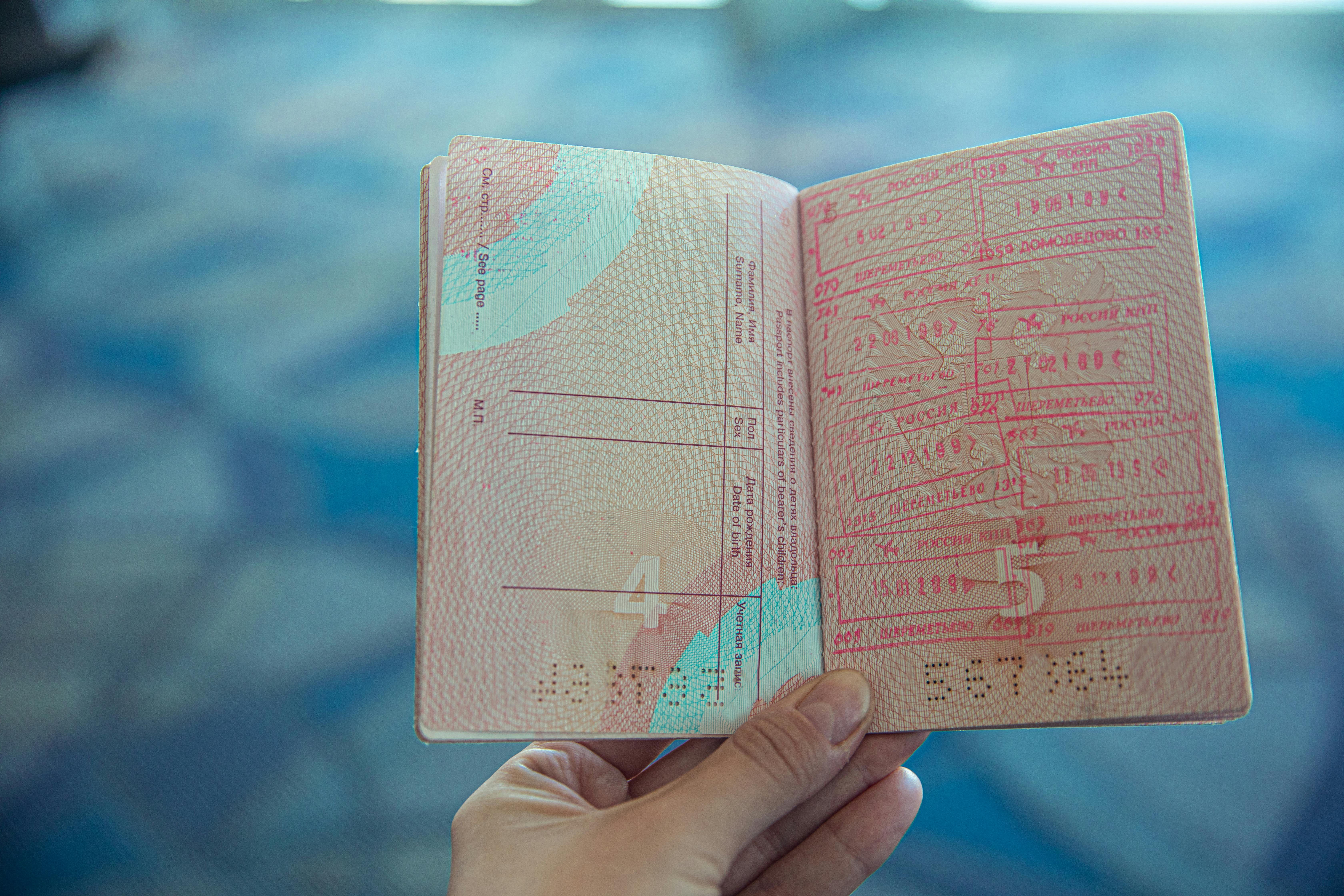
 Photo by Ekaterina Belinskaya on Pexels - Swiss permits determine your rights and freedom of movement
The 4 Main Permits: An Overview
Switzerland doesn't have 50 types of permits. Just 4 main ones for workers. Here's the hierarchy.
.
Permit L: The Temporary (Short-Term)
What it is: Contracts of less than one year Duration: Exact duration of the contract (max 12 months, renewable) Freedom: Almost none. Linked to this specific employer.
Marc had an L permit for a 6-month internship at Nestlé. Impossible to change employers during these 6 months. At the end, either Nestlé extends and requests a B, or he returns to France.
Who gets it: Trainees, temporary contracts, replacements, short projects.
My opinion: Acceptable for discovering Switzerland, but aim for a B as soon as possible.
Permit B: The Standard (Residence)
What it is: The classic work permit Duration: 5 years renewable (renewal almost automatic if employed) Freedom: Good after the first year
Sophie has had a B permit for 3 years. In the first year, she was linked to her initial employer (bank). After 12 months, she was able to change freely—she moved to a fintech with +25% salary. Her B permit was simply transferred.
Rights with permit B:
- Work for any employer (after year 1)
- Move to any canton
- Bring spouse and children (family reunification)
- Access to all social benefits (AVS, unemployment, etc.)
Limitations:
- Mandatory withholding tax (fewer tax deductions)
- Conditional renewal (employment or sufficient resources)
Who gets it: 90% of newcomers start with a B.
Permit C: The Holy Grail (Establishment)
What it is: Almost total freedom Duration: Unlimited, no more renewal Freedom: Total (except federal vote)
Thomas just obtained his C after 5 years of B (he is French, EU). What changes concretely?
What the C permit brings him:
- Annual tax return (like the Swiss) with all possible deductions
- Total employment freedom (can become self-employed tomorrow if desired)
- Can be unemployed without risk to his permit
- Access to certain public service jobs reserved for B/C
- Almost impossible to lose (except serious crime)
Thomas's tax savings with permit C: approximately CHF 2,200/year thanks to deductions (full 3rd pillar, real professional expenses, training).
Conditions for obtaining:
- 5 years of permit B if EU/EFTA
- 10 years if non-EU/EFTA
- Successful integration
- No dependence on social assistance
- Respect for the laws
Permit G: The Cross-Border Commuter
What it is: Work in Switzerland, live in a border country Duration: 5 years renewable Freedom: Limited to border area
Consult our complete cross-border commuter guide for all the details.
The Typical Progression: L → B → C
Year 0-1: The Initial B Permit
Emma arrives with her brand new B permit. She discovers:
- Source tax deducted automatically
- Change of employer prohibited in the first year
- Permit card to be renewed
Main constraint: First year, she is "stuck" with her initial employer. If she doesn't like the job, she still has to hold on for 12 months before being able to move.
Years 1-5: The Renewed B Permit
After one year, Emma has the freedom to change jobs. She takes advantage of an offer at +30% elsewhere. Her B permit is simply transferred to the new employer. Administrative procedure: 30 minutes.
Every 5 years, her B permit is renewed almost automatically. The canton just checks that she is still working or has sufficient resources.
Year 5/10: Obtaining the C Permit
Emma (French, EU) applies for her C permit after 5 years of B. The canton examines:
- Her 5 years of continuous presence
- Her integration (she speaks French natively, bonus)
- Her financial independence (stable salary)
- Her clean criminal record
Approval in 4 weeks. She receives her C card. Complete game changer.
From now on, Emma can:
- Optimize her taxes (savings of CHF 2,500/year)
- Change careers freely
- Become self-employed if she wants to
- Live without any administrative constraints
The C permit is being Swiss without a Swiss passport.
What Changes Concretely with Each Permit
Let's be honest. What changes in your daily life?
With B Permit: You Live Well
Professional life: After year 1, total freedom to change employer. You negotiate on an equal footing—employers know you can leave.
Tax life: Automatic source tax. Simple but less optimizable. You pay the standard rate without really being able to deduct much.
Family life: Family reunification possible. Spouse and children can join you (procedure 3-6 months).
Social life: No difference vs Swiss in everyday life. Access to everything (sports clubs, associations, public services).
With C Permit: You Are Free
Professional life: Absolute freedom. Permanent contract, fixed-term contract, self-employed, unemployment, sabbatical—you do what you want. Some public service positions (police, army) require citizenship, but 99% of jobs are accessible.
Tax life: Annual declaration like the Swiss. All possible deductions. Optimization CHF 2,000-3,000/year standard. You can even consult a tax advisor to optimize further.
Real estate life: Buying real estate becomes easier (some banks prefer C permits for mortgages).
Administrative life: No more permit renewals. It's unlimited. This psychological peace of mind is underestimated but real.
Obtaining Your Permit: The Actual Process
For Permit B (The Most Common)
Step 1: Your Employer Makes the Application You do NOTHING directly. It is your future Swiss employer who submits the application to the cantonal authorities.
Documents they provide:
- Signed employment contract
- Your detailed CV
- Copies of diplomas and certificates
- Your passport/ID card
- Passport photos
- Justification for needing to hire you
Step 2: Cantonal Review (3-6 weeks) The cantonal population service examines whether:
- The position cannot be filled by a Swiss/EU national already on site (national priority)
- Your qualifications correspond
- Your employer is serious
Step 3: Pre-Authorization (Go!) You receive pre-authorization. You can start working, settle in, open a bank account.
Step 4: Definitive Card (2-4 weeks later) Your real B permit card arrives by mail. Laminated, with photo, valid for 5 years.
For Permit C (After 5-10 Years)
Strict conditions:
- 5 years B if EU/EFTA, 10 years if non-EU
- Successful integration (the canton evaluates)
- No debts, no social assistance
- Clean criminal record
Process: You make the application (unlike the B where it was the employer). Cantonal form, documents to provide, interview sometimes.
Timeframe: 2-6 months of review. Approval: 95% if you meet the conditions.
The day Julie received her C permit, she cried with joy. "I've been waiting five years for this. Now I'm really at home in Switzerland."
Key Points to Remember
Swiss permits define your freedom and your rights but follow a logical progression. Three essential principles: Firstly, the majority start with permit B (5-year renewable stay) which already offers an excellent quality of life and rights after the first year—this is largely sufficient to thrive. Secondly, the permit C (establishment) after 5-10 years represents a major qualitative leap with total freedom and tax optimization (CHF 2,000-3,000/year saved)—this is the Swiss administrative holy grail. Thirdly, permits are renewed almost automatically if you work normally—losing your permit is extremely rare, stop stressing unnecessarily.
Focus on integration (language, respect for laws, job stability) rather than paperwork—the permits will follow naturally.
Official Resources
- SEM - Secrétariat migrations - Federal authority, all permit information
- OCPM Genève - Permit canton Genève
- SPOP Vaud - Service population Vaud
- CH.ch - Permis séjour - Simple official guide
- HelloSwiss - Expatriate integration platform
Related Articles
Moving to Switzerland Complete installation process with timeline, budget, steps. The permit is one step, this guide covers everything else.
Cross-border commuter checklist The G permit (cross-border commuter) explained in detail if you are considering working in Switzerland while living in France.
Registering with the Residents' Registration Office Mandatory step within 14 days with your new permit. Detailed procedure and required documents. - Your permit remains valid

Share This Article
📖 ShareThis Integration Guide
About ShareThis Inline Share Buttons
Inline Share Buttons can be seamlessly positioned at the top/bottom of your articles or next to products you're selling for easy sharing. Connect your site to the rest of the world by enabling visitors to share your content across 40+ social channels.
Installation Steps
Step 1: Add ShareThis Script to Your Site
Place ShareThis Script inside your website's <head></head> section. This code powers all ShareThis Apps and only needs to be added once per page.
<script type='text/javascript' src='https://platform-api.sharethis.com/js/sharethis.js#property=69624e147512c045298580c6&product=sop' async='async'></script>Step 2: Enable the App
Click Enable App in your ShareThis dashboard to turn this app on for your website. It will only work on pages where the ShareThis script has been added in Step 1.
Step 3: Add the Placement Tag
Add this placement tag wherever you want your share buttons to appear:
<!-- ShareThis BEGIN -->
<div class="sharethis-inline-share-buttons"></div>
<!-- ShareThis END -->
Customization Options
- Smart Share Buttons: ShareThis will automatically select which share buttons to show based on users' preferences
- Alignment: Choose from Left, Right, Center, or Justified
- Color Themes: Social, White, Black, Gray, or Custom colors
- Sizes: Large, Medium, or Small buttons
- Labels: Call to Action, Share Counts, or None
- Corners: Square or Round button shapes
- Languages: Multiple language support available
⚠️ Important Notes
- The ShareThis script must be loaded in the page head for buttons to work
- You can customize button appearance in your ShareThis dashboard
- Enable the app in your dashboard after adding the script
- Share counts require a minimum threshold (default: 10 shares)
Need Help?
Visit the ShareThis Support Center for detailed documentation and troubleshooting guides.
Calculate Your Exact Swiss Salary
Want to know exactly what you'll take home after taxes and social contributions? Our calculator accounts for your canton, family situation, and all deductions.
Try Our Salary Calculator